Understanding Swedish vs Deep Tissue Massage for First-Timers
- Apr 14
- 2 min read
If you’re new to massage therapy, choosing the right type can feel confusing. Many beginners often search “what is a swedish massage vs deep tissue” to understand which option suits their needs best. Both techniques offer unique benefits, but they differ significantly in pressure, purpose, and results.
This guide breaks down everything you need to know so you can make an informed decision.
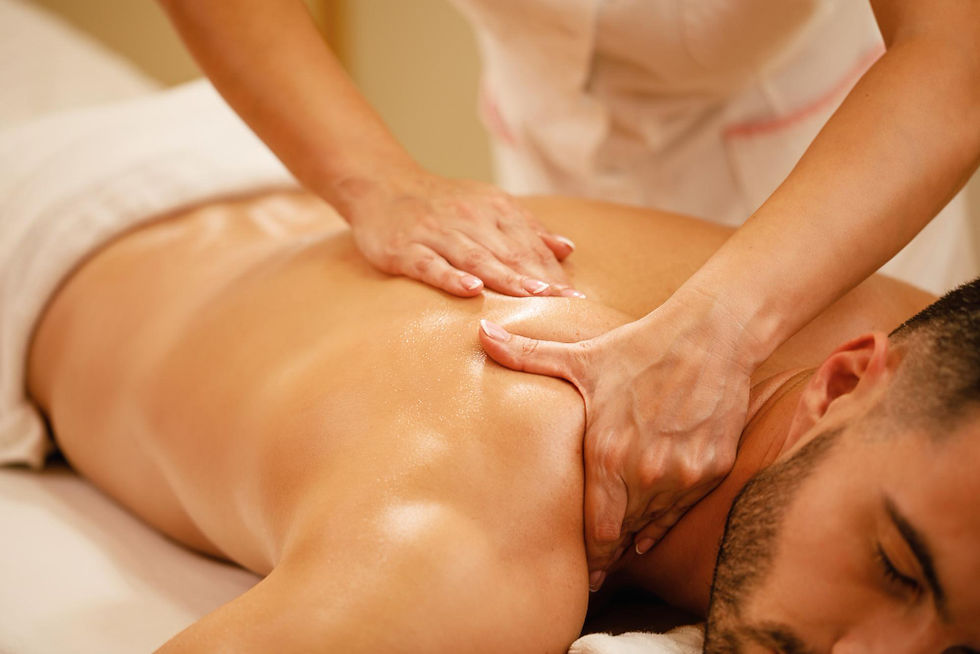
What Is a Swedish Massage?
A Swedish massage is the most common and beginner-friendly type of massage therapy. It focuses on relaxation and overall well-being using gentle to moderate pressure.
Key Features:
Long, gliding strokes (effleurage)
Kneading and circular movements
Light to medium pressure
Improves blood circulation
Promotes relaxation and stress relief
Best For:
First-time massage clients
People with stress or anxiety
Individuals seeking relaxation
Mild muscle tension
Swedish massage is ideal if your goal is to unwind and experience a calming effect without discomfort.
What Is a Deep Tissue Massage?
A deep tissue massage targets deeper layers of muscles and connective tissues. It uses slower strokes and firm pressure to address chronic pain and muscle tightness.
Key Features:
Slow, focused movements
Deep pressure targeting muscle knots
Breaks down adhesions (scar tissue)
Helps with chronic pain and stiffness
Best For:
Athletes or physically active individuals
Chronic muscle pain sufferers
Post-injury recovery
People with tight or stiff muscles
Unlike Swedish massage, deep tissue may feel intense at times, but it is highly effective for long-term relief.
Swedish vs Deep Tissue Massage: Key Differences
Understanding the differences helps you choose the right therapy based on your needs.
1. Pressure Level
Swedish Massage: Light to medium pressure
Deep Tissue Massage: Firm to intense pressure
2. Purpose
Swedish: Relaxation and stress relief
Deep Tissue: Pain relief and muscle recovery
3. Technique
Swedish: Flowing, rhythmic strokes
Deep Tissue: Slow, targeted pressure on specific areas
4. Comfort Level
Swedish: Gentle and soothing
Deep Tissue: Can be slightly uncomfortable but effective
Benefits of Each Massage Type
Swedish Massage Benefits:
Reduces stress hormones
Enhances relaxation
Improves circulation
Boosts mood and mental clarity
Deep Tissue Massage Benefits:
Relieves chronic pain
Improves posture
Breaks muscle knots
Speeds up recovery from injuries
Which One Should You Choose as a Beginner?
If you're a first-timer, your choice depends on your goal:
Choose Swedish massage if you:
Want a relaxing experience
Are sensitive to pressure
Are new to massage therapy
Choose Deep tissue massage if you:
Have chronic pain or stiffness
Prefer strong pressure
Need targeted muscle treatment
What to Expect During Your First Session?
You’ll be asked about your health history and pain points
The therapist will adjust pressure based on your comfort
Communication is key—always speak up if pressure feels too much
Mild soreness after deep tissue massage is normal
Wrapping Up
Choosing between Swedish and deep tissue massage doesn’t have to be overwhelming. Both therapies offer powerful benefits, but the right choice depends on your comfort level, goals, and physical condition.
For first-timers, Swedish massage provides a gentle introduction to bodywork, while deep tissue massage is better suited for addressing deeper muscular issues. Understanding your needs will help you get the most out of your massage experience.
If you're still unsure, consult a licensed massage therapist—they can guide you toward the best option tailored to your body and wellness goals.


Comments